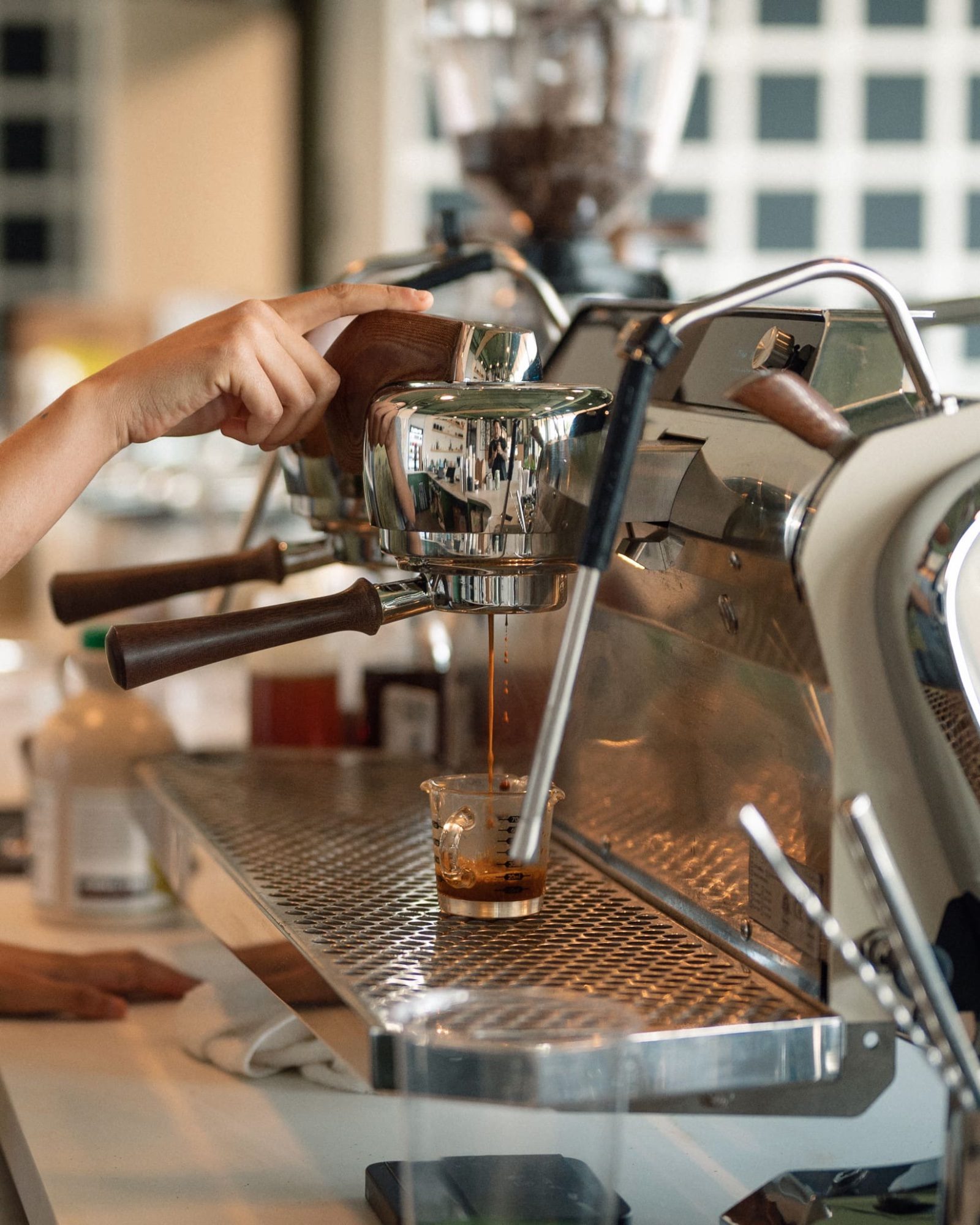
Coffee is one of the most-consumed beverages on earth. The average American drinks somewhere between two and three cups a day. For most of those people, coffee is the most concentrated thing they’ll consume all day — the most polyphenols, the most antioxidants, the most caffeine. It’s also, paradoxically, one of the foods we ask the fewest questions about.
Where did this bean come from? How was it stored? Was it tested for anything? Most coffee drinkers couldn’t answer any of these questions about the cup in their hand right now. I include myself in that group, until I started looking.
What mycotoxins are
Mycotoxins are toxic compounds produced by certain species of mold. They form when grains, beans, or other crops are stored in conditions that encourage mold growth — usually warm, humid environments where moisture wasn’t fully removed during processing.
Coffee is particularly susceptible because of the way it’s typically processed. Beans are harvested in tropical and subtropical regions, often shipped over long distances in containers that aren’t always perfectly humidity-controlled, and then stored for weeks or months before roasting. At any point in that journey, if conditions are wrong, mold can take hold.
The two mycotoxins most commonly found in coffee are ochratoxin A and aflatoxin. Both have been studied extensively in food science literature, and both are regulated at low levels in many countries. The European Union, for instance, sets strict limits on ochratoxin A in roasted coffee. The United States, in contrast, doesn’t regulate it in coffee at all.
How big a deal is this?
I want to be careful here. The food science around mycotoxins in coffee is real, but the alarmism around it is sometimes overblown. Most coffee on the U.S. market doesn’t test catastrophically high. Roasting itself reduces mycotoxin levels somewhat, though it doesn’t eliminate them.
That said: when you’re drinking coffee daily, low levels of repeated exposure are worth thinking about, especially given that most of us aren’t getting any visibility into what those levels actually are. Industrial commodity coffee — the stuff in most grocery store cans and the back of most restaurant supply chains — has the least transparency.
You can’t taste mycotoxins. You can’t smell them. The only way to know whether they’re in your coffee is to test for them.
You can’t taste mycotoxins. You can’t smell them. The only way to know whether they’re in your coffee is to test for them. Most roasters don’t test, because they don’t have to, and because testing is expensive.
Why we partnered with Purity Coffee
When we built our coffee program, I went looking for a partner that took this seriously. Purity Coffee was, frankly, the cleanest answer to that search.
Their entire model is built around third-party testing. Every batch of beans is independently tested for mycotoxins, pesticides, and heavy metals before they roast it. They publish results. The sourcing standards are rigorous: organic, regenerative, single-origin or carefully blended, with traceable supply chains. They roast specifically to optimize for antioxidant retention, not just flavor.
Are they more expensive than commodity coffee? Yes. Significantly. Are they worth it for a wellness cafe whose entire brand promise is “real food, no shortcuts”? Without question.
What this means for your cup
When you order a coffee at any E+ROSE cafe, you’re drinking beans that have been:
- Sourced from certified organic and regenerative farms
- Tested by an independent third-party lab for mycotoxins, pesticides, and heavy metals before roasting
- Roasted with attention to antioxidant retention, not just flavor curve
- Paired with our scratch-made cashew milk (cashews and water — that’s it) or non-homogenized pasture-raised whole milk if you prefer dairy
This is, as far as I’m aware, one of the cleanest cups of coffee you can get in a cafe in the South. It’s certainly the cleanest one I personally drink, and I drink a lot of coffee.
What you can do at home
If you take coffee seriously and want to apply the same standards at home, here’s what to look for:
- Organic certification. Not a guarantee of mycotoxin testing, but a strong signal of overall supply chain rigor.
- Single-origin or transparent blends. Roasters that can name the farm tend to be the ones taking sourcing seriously.
- Public test results or quality certifications. If a roaster tests, they almost always advertise it. Look for it on their website.
- Whole bean, not pre-ground. Pre-ground coffee from a commodity supplier has been ground further from the roast date, which means more time for oxidation and degradation.
The takeaway
Coffee can be one of the healthiest things you drink, or one of the most overlooked sources of contaminant exposure, depending entirely on where it came from and how it was handled. Most people drink whichever one ends up in front of them.
You don’t have to be paranoid about it. You just have to ask the question. We did, and the answer changed how we built our coffee program.